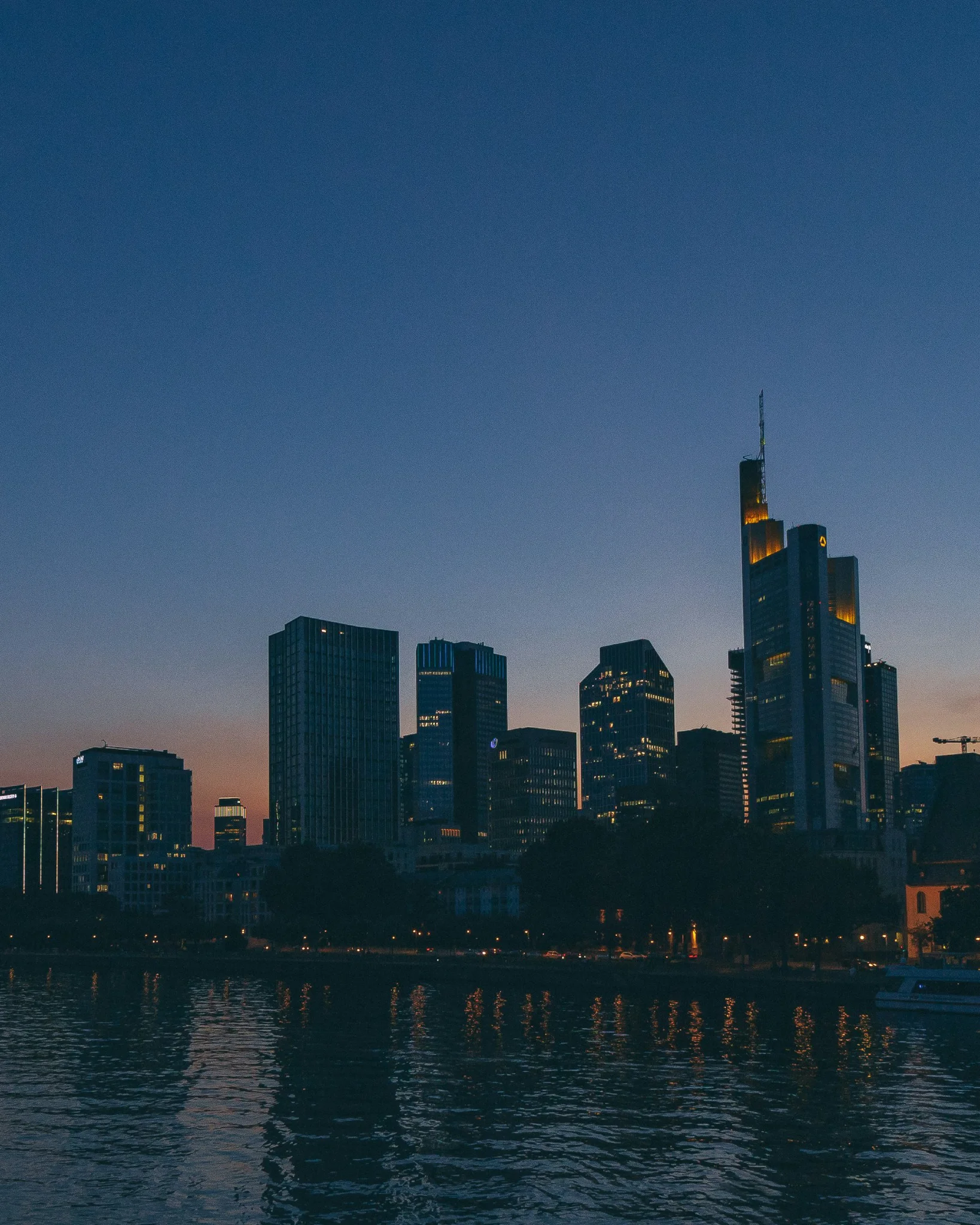


After years of turbulence, Europe’s meetings, incentives, conferences, and exhibitions scene is standing tall again, just not the same as before.
The scars of the pandemic have become blueprints for reinvention.
As 2025 closes, demand is back, halls are full, and the business travel rhythm is familiar once more. But beneath that surface, everything has changed. Organisers, venues, and destinations are navigating a landscape shaped by three powerful forces: sustainability, technology, and new definitions of value.
Here’s how the European MICE world is being rewritten, and what it means for those building the next chapter.
1. Recovery Is Real, But Not Equal
The comeback is visible across Europe. Trade fairs and congresses in Barcelona, Frankfurt, Paris, and London are back to near pre-pandemic levels. Footfall is strong, calendars are packed, optimism is returning.
But recovery, it turns out, isn’t a universal privilege. The growth is concentrated where specialization meets strategy. Cities and venues that invested in sector-specific capabilities (from medical and tech infrastructure to integrated AV and hospitality services) are seeing faster rebounds.
The insight: In MICE, “everyone’s back” doesn’t mean “everyone’s thriving.” The winners are those who know exactly why they exist and for whom.
2. Sustainability Is Now a Contract Clause
Gone are the days when “eco-friendly” was a polite checkbox. In Europe’s MICE ecosystem, sustainability has become non-negotiable.
The Net Zero Carbon Events initiative has set clear standards, and now carbon measurement, waste minimisation, and supplier criteria are appearing directly in contracts. RFPs ask for data, not promises. Tools for measurement and reporting are multiplying across the continent.
The impact: This shift reshapes everything from procurement to booth design. It compresses margins but opens differentiation: the venues that can prove their sustainability credentials will lead the pack.
In 2025, “greenwashing” isn’t just bad PR, it’s a lost tender.
3. The Rise of AI and Immersive Storytelling
Artificial Intelligence is no longer a trend report buzzword but a backstage worker running the show.
Event planners are using AI to curate content, match attendees, personalise agendas, and streamline logistics. Meanwhile, immersive tech, XR, AR, and everything between, has transformed how brands tell their stories.
Engagement is up. Expectations are higher. And so are production costs.
The takeaway: Those who master AI-driven creativity will own the premium end of the market. For agencies and AV partners, this isn’t about tech for tech’s sake, it’s about crafting emotional precision at scale.
4. Hybrid Is Not a Backup Plan, It’s a Strategy
Hybrid events have evolved from emergency patches into strategic frameworks.
Most planners now build hybrid elements into their event design and we are not talking about just live streaming, but fully integrated remote experiences with dedicated content and community engagement.
Done well, hybrid amplifies reach and resilience. Done poorly, it dilutes perceived value and undermines attendance.
The challenge: Treat hybrid as a new product line, not an add-on. It comes with new budgets, new skill sets, and new expectations.
5. Destinations Are Competing on Experience, Not Square Metres
The cities winning today understand one thing: delegates don’t travel for floor space.
They travel for stories, safety, culture, and connection.
Barcelona remains the benchmark, its congress calendar and year-round activation keep hotels full and service ecosystems thriving. But smaller, emerging destinations are catching up by offering curated, high-value experiences for smaller groups: wellness-driven, sustainable, and unmistakably local.
The evolution: Destination marketing is no longer about capacity. It’s about coherence, the ecosystem that connects logistics, hospitality, and emotional impact.
For Buyers, Venues, and Agencies, The To-Do List Has Changed
Buyers should:
- Demand transparent carbon metrics in every bid.
- Expect that hybrid and XR cost more, and deliver more.
- Insist on measurable engagement data before signing.
Venues & DMCs should:
- Invest in modular, low-waste build systems and certified sustainability frameworks.
- Train staff in hybrid production and AI tools.
- Sell outcomes, not just square metres.
Agencies & AV suppliers should:
- Use AI and immersive design as ROI multipliers.
- Present hard metrics (engagement time, lead quality, conversion) to justify creative premiums.
The Balancing Act
Two tensions define the next phase of MICE:
- Cost vs. Expectation: Sustainability and immersive tech both elevate experience, and expense. Clients must align ambitions with budgets.
- Skill vs. Speed: The industry’s evolution outpaces the talent base. Expertise in data, production, and sustainability is the new currency.
- Consistency vs. Fragmentation: Europe still lacks unified carbon measurement and hybrid standards, complicating procurement across borders.
The Bottom Line
Europe’s MICE sector isn’t rebounding, it’s rebuilding.
Volume has returned, but the value equation has changed.
The leaders of this new era will be those who treat sustainability, technology, and experience design not as trends, but as the new fundamentals.
The age of “build bigger” is gone.
The future belongs to those who build smarter, with clarity, purpose, and measurable impact.